Coordinated Flowers: A Seasonal Embroidery Review
As an embroidery designer planning my upcoming seasonal collection, I am constantly evaluating which digital assets will translate best into finished products that customers actually want to buy. When reviewing Coordinated Flowers, my primary focus is versatility and emotional resonance during the busy holiday shopping period. This machine embroidery design promises to add a spark of color and freshness to almost any fabric, but as a shop owner, I need to know if it can carry the weight of a seasonal product line. After analyzing the design's structure and aesthetic potential, I see this as a strong candidate for bridging the gap between everyday apparel and festive, gift-ready merchandise.
Evaluating the Seasonal Mood and Emotional Tone
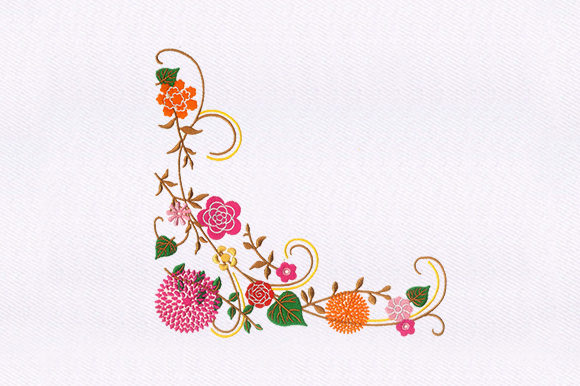
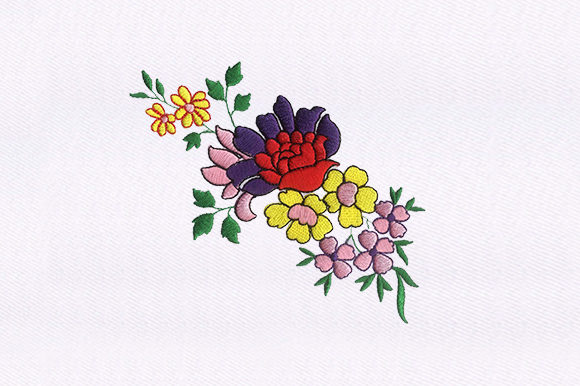
The first impression of Coordinated Flowers is one of refined cheerfulness. Unlike novelty holiday embroidery that relies on explicit symbols like snowmen or reindeer, this floral motif offers a more subtle, elegant approach to seasonal decor. The emotional tone strikes a balance between nostalgic warmth and modern freshness. For an Etsy seller or small business owner, this is crucial. It allows the design to remain relevant from early autumn harvest markets through spring celebrations without feeling out of place.
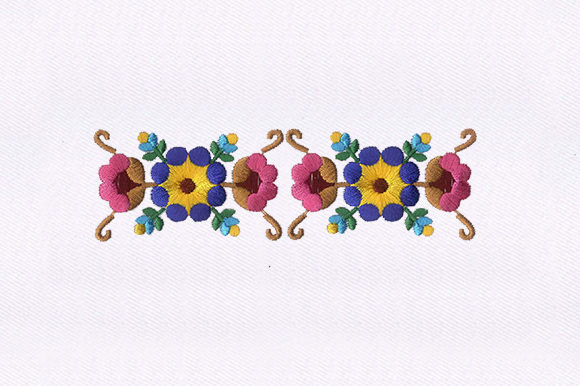
In terms of decorative style, the coordinated nature of the florals suggests a curated palette rather than a chaotic mix. This makes the design feel premium and intentional. When I look at this embroidery file, I see a motif that feels cozy yet polished, making it suitable for both rustic farmhouse aesthetics and contemporary boutique styles. It avoids being overly cutesy, which expands its demographic reach to include adults seeking sophisticated handmade gifts alongside parents looking for adorable baby items.
Strategic Applications for Holiday Product Lines
When building a seasonal shop collection, I categorize designs by their application potential. Coordinated Flowers excels because it comes with multiple embroidery variations, allowing for product cohesion across different categories. Here is how I plan to utilize this design in real selling situations:
- Sweatshirt Embroidery: Placing a larger variation on the chest or sleeve of a cream or sage green sweatshirt creates an instant bestseller. The floral element softens the casual garment, elevating it to a personalized gift status perfect for holiday gifting.
- Tote Bag Design: Canvas totes are high-margin items for craft fairs. Using a medium-sized version of Coordinated Flowers on natural canvas provides excellent contrast and serves as a reusable gift bag alternative, increasing its perceived value.
- Kitchen Towel Embroidery: Holiday hostess gifts are a massive market segment. Stitching these flowers onto linen tea towels creates a coordinated set that looks beautiful in product mockups and appeals to home decor enthusiasts.
- Pillow Cover Accents: For seasonal home refreshes, this design works beautifully as a corner accent or centered motif on throw pillows. The fresh color palette helps transition home decor from winter to spring seamlessly.
- Embroidered Patches: Creating iron-on patches from this design allows customers to customize their own jackets and jeans. This interactive element drives engagement on social media previews and encourages repeat purchases.
For limited edition apparel drops, using Coordinated Flowers ensures brand consistency. Customers who bought a floral apron in the summer will recognize the aesthetic in a holiday cardigan, fostering loyalty and visual recognition.
Technical Considerations and Fabric Limitations
While the aesthetic appeal is high, a professional review must address technical execution. Not every fabric texture plays nicely with detailed florals, especially during high-volume holiday production. As I prepare this design for commercial embroidery use, I have identified specific areas requiring caution.
Stretchy Garments and Curved Surfaces: If applying Coordinated Flowers to ribbed knitwear or curved caps, stabilization is non-negotiable. Floral designs often contain satin stitches that can distort on stretchy fabrics. I recommend testing with heavy-duty cut-away stabilizer and potentially a topping to prevent stitches from sinking into the knit texture.
Thick Towels and High Pile Fabrics: On plush terry cloth or fleece, fine details in single flowers can get lost. Before mass-producing kitchen towels or blankets, verify the stitch density. You may need to add a water-soluble topping or choose a bolder variation of the design to ensure the petals remain crisp and visible after washing.
Small Hoop Sizes and Tiny Details: While the design comes with multiple sizes, resizing florals requires care. Reducing the design too much for a 4x4 hoop size can cause thread breaks or muddy details. Always check the minimum recommended size in your embroidery software. If stitching on dark fabric, test thread colors first; some pastel florals require a white underlay base to pop against navy or black backgrounds effectively.
Enhancing Buyer Emotion and Perceived Value
During the holidays, customers are not just buying thread and fabric; they are buying sentiment. Coordinated Flowers enhances product value by offering a timeless alternative to dated seasonal graphics. A sweatshirt featuring generic holiday text might only be worn for six weeks, but a sweatshirt featuring these coordinated florals becomes a wardrobe staple year-round. This longevity justifies a higher price point for finished products.
Furthermore, the "coordinated" aspect implies a level of professional design curation that builds customer trust. When shoppers see consistent, well-executed floral motifs across your shop, they perceive your brand as reliable and high-quality. This is particularly important for digital embroidery file buyers who need assurance that the digitizing is clean and production-ready. For gift makers, the fresh, colorful aesthetic triggers positive emotions associated with renewal and joy, making the item feel like a thoughtful, personalized gift rather than a generic purchase.
Designer Notes for Production Success
Before listing products made with Coordinated Flowers, I adhere to a strict pre-production checklist to ensure quality and avoid costly mistakes during the peak season:
- Verify Licensing: Confirm commercial licensing terms before selling finished seasonal products or distributing the digital embroidery file. Protecting your business starts with respecting intellectual property.
- Test Stitch Density: Run a sample on your intended production fabric. Check for puckering around the edges of the flowers. Adjust pull compensation or density settings if the fabric texture causes distortion.
- Create Realistic Mockups: Do not rely solely on digital renders. Stitch out at least one physical sample to photograph for printable mockups and Etsy listings. Natural lighting on actual fabric sells the "freshness" of the design better than any software simulation.
- Plan Color Palettes: Since the design adds a spark of color, select thread colors that complement current seasonal trends. Test metallic threads cautiously; while they add festive shine, they can increase breakage rates on complex floral fills.
- Review Small Details: After stitching, inspect the center details and leaf veins. If they are too dense or fragile, consider editing the file slightly for better durability on items like sneakers or jeans that face abrasion.
Ultimately, Coordinated Flowers represents a smart investment for seasonal inventory. It offers the flexibility needed for diverse product lines while maintaining the emotional appeal required for holiday sales. By approaching this design with technical diligence and strategic marketing, embroidery sellers can transform a simple floral motif into a cornerstone of their seasonal success. Whether you are creating family matching items, stocking stuffers, or signature home decor, this design provides the artistic foundation necessary to create products that resonate deeply with holiday shoppers.