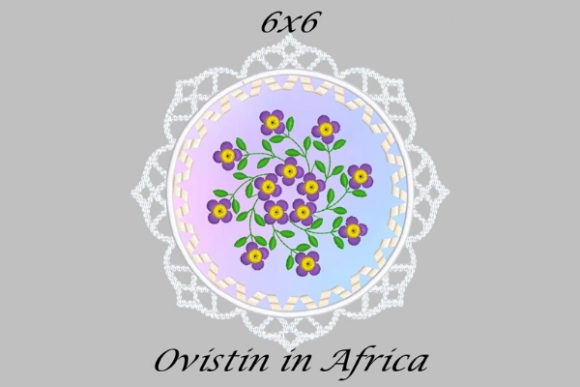
Floral FSL Applique Mug Rug: A Designer’s Review
As an embroidery designer who constantly evaluates digital assets for both personal creativity and commercial viability, I approach every new machine embroidery design with a critical eye. It is not enough for a file to simply stitch out without thread breaks; it must translate into a sellable, durable, and aesthetically pleasing finished product. When I first loaded the Floral FSL Applique Mug Rug into my software, I was looking for more than just a pretty flower pattern. I was assessing its structural integrity as an In-The-Hoop (ITH) project and its potential value for Etsy sellers and craft business owners who need reliable inventory.
The first impression of this design is one of balanced elegance. The combination of a Free-Standing Lace (FSL) edge with a fabric applique center creates a textural contrast that feels high-end rather than crafty. For a handmade product, this distinction matters. Customers associate lace with delicacy and applique with warmth; merging them suggests a premium personalized gift or boutique accessory. However, as someone who has produced hundreds of mug rugs for holiday markets, I know that visual appeal means nothing if the construction fails during use. This review breaks down how this specific embroidery file performs when moved from the screen to the sewing machine and finally into a real-world retail environment.
Real-World Application: The Holiday Gift Test
To truly evaluate this design, I tested it within the context of preparing a batch of custom coasters for a winter holiday collection. My goal was to create a holiday embroidery item that could serve as a stocking stuffer or a coffee shop merchandise add-on. The 6×6 hoop size requirement immediately signaled efficiency. For small shop owners, maximizing hoop space is crucial for profit margins. Being able to stitch a substantial, functional item in a single hooping reduces labor time significantly compared to multi-hoop projects.
During the test run, I focused on the transition between the FSL border and the applique center. In many designs, this junction is where puckering occurs or where the lace detaches after washing. This design utilizes a robust placement line that anchors the fabric securely before the satin stitching begins. The result was a clean integration that maintained the structural rigidity necessary for a mug rug. When I placed a hot ceramic mug on the finished sample, the batting inlay performed exactly as intended, providing heat resistance without making the coaster feel bulky or stiff. This functionality is what transforms a simple embroidery project into a practical household item that customers will actually keep and use.
Evaluating Stitch Architecture and Fabric Compatibility
For fellow designers and apparel decorators, understanding the underlying architecture of this applique design is vital. The satin lining at the back is a standout feature. In commercial embroidery, finishing is everything. A raw or messy back can ruin the perceived value of a product instantly. By enclosing the batting and stabilizer remnants within a satin-lined backing, this ITH method ensures a professional appearance that rivals factory-made goods. This level of finish builds customer trust and justifies higher price points for small shop products.
However, material selection requires careful consideration. While the design is versatile, the FSL component demands stability. I recommend testing on scrap fabric before committing to expensive textiles. For the applique center, cotton quilting fabrics and linens worked beautifully, offering a crisp surface for the satin stitch borders. Conversely, I would advise caution when using high-pile textures like minky or thick velvet for the center panel; the pile can sometimes swallow the fine details of the lace connection points. Similarly, while this design is perfect for flat surfaces, it is not suitable for curved items like caps or structured tote bags where the rigid FSL edge might warp or break under tension.
Critical Considerations for Commercial Use
If you are an Etsy seller or run a custom apparel business, you must consider the longevity of the product. Lace is inherently delicate. While this design is structurally sound, it should be marketed with care instructions. I found that the stitch density in the floral elements provides good coverage without being bulletproof. This is a positive trait for drape and feel, but it means the item is best suited for decorative use or light daily wear rather than heavy-duty industrial environments. When creating printable mockups or listing photos, ensure you show close-ups of the lace-to-fabric join so buyers understand the texture and quality they are purchasing.
Furthermore, verify your licensing terms before selling. As a digital embroidery file, usage rights vary by digitizer. Confirm whether you have permission to sell physical items made from this design or if it is restricted to personal use. For those creating design assets for resale, always respect intellectual property. Assuming you have the correct commercial license, this mug rug serves as an excellent base for customization. Adding a monogram or a small date in the center applique area can elevate it from a generic coaster to a cherished wedding favor or anniversary gift.
Designer Notes for Optimal Results
Based on my hands-on testing, here are practical adjustments and tips to ensure success with the Floral FSL Applique Mug Rug:
- Stabilizer Strategy: Do not skimp on stabilizer for the FSL portion. Even though it is an ITH project, the lace needs a solid foundation during the initial stitching phase. Use a water-soluble stabilizer that matches the weight recommended in the tutorial to prevent distortion.
- Thread Contrast: Test your thread colors against both the lace and the applique fabric. High contrast highlights the intricate floral work, while tonal threading creates a subtle, vintage aesthetic. For baby embroidery or nursery decor, pastel tones on white linen offer a timeless look.
- Batting Selection: Since heat resistance is a key selling point, choose a cotton or cotton-blend batting specifically rated for thermal protection. Polyester batting may melt or flatten over time with hot mugs.
- Hoop Tension: Ensure your hoop is tightened evenly. Because this design uses the full 6×6 area, any slack in the fabric or stabilizer will result in misalignment between the front applique and the back satin lining.
- Mockup Testing: Before listing, photograph the mug rug next to actual mugs of varying sizes. This helps customers visualize scale and confirms that the FSL edge does not interfere with standard drinkware bases.
Final Verdict on Value and Versatility
The Floral FSL Applique Mug Rug stands out as a sophisticated addition to any embroiderer's library. It successfully bridges the gap between ornamental lace art and functional home goods. For the hobbyist, it offers a satisfying challenge and a beautiful result. For the creative entrepreneur, it represents a scalable product with high perceived value and efficient production time. The inclusion of a batting inlay and satin backing demonstrates a thoughtful digitizing process that prioritizes the end-user experience.
Whether you are expanding your Sewing and Embroidery product line or looking for a unique personalized gift option, this design delivers. Just remember to respect the technical requirements of FSL and choose your fabrics wisely. When executed correctly, this mug rug is more than just a digital file; it is a testament to quality craftsmanship that resonates with buyers seeking authentic, well-made handmade goods. Always refer to the included tutorial for specific digitizer notes, as individual machine tolerances can vary, but rest assured that the foundational design logic here is solid for real-world application.