Floral Quilt Block: A Craft Fair Seller’s Review
As an experienced embroidery designer preparing for a weekend craft fair, I evaluate every machine embroidery design through the lens of profitability and production efficiency. When reviewing the Floral Quilt Block for my upcoming booth display, my primary focus is on versatility and visual impact at a distance. This gorgeous floral embroidery will definitely attract all eyes to your design, but as a business owner, I need to know if that attention converts into sales. After analyzing the design assets and considering current market trends, this pattern stands out as a sophisticated hybrid of traditional quilting aesthetics and modern embroidery techniques. It feels elegant yet approachable, striking the perfect balance between farmhouse charm and premium boutique style that handmade shoppers actively seek.
Evaluating Visual Impact for Booth Displays
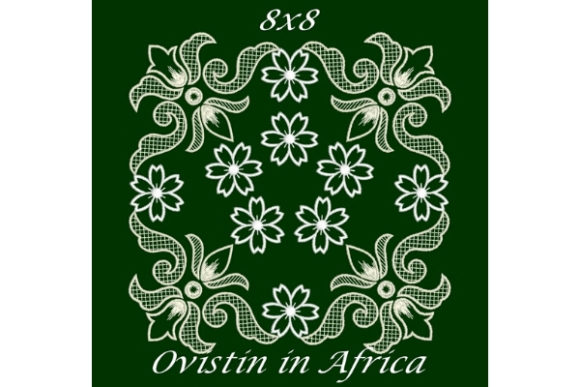
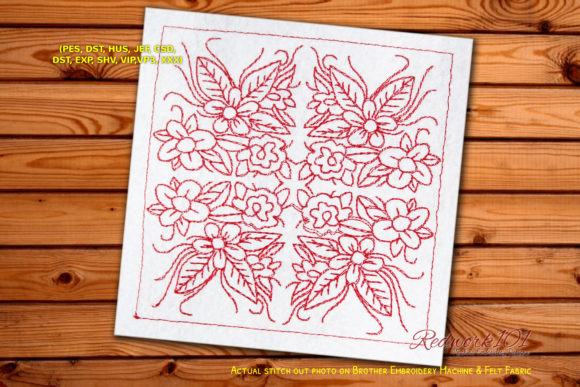
The first impression of the Floral Quilt Block is one of structured elegance. Unlike chaotic or overly dense botanical designs, this layout offers a clean geometry that reads well from three feet away—a critical distance for catching a customer's eye at a busy market. The optional Box Stitch mentioned in the product description is a strategic advantage for sellers. For my own table setup, I plan to stitch two variations: one with the outer box for a framed, finished look on tea towels, and one without the box for a softer, organic placement on apparel. This flexibility allows me to maximize the value of a single embroidery file across multiple product categories without the inventory looking repetitive.
For Etsy seller listings and printable mockup creation, the symmetry of this design makes digital presentation effortless. Customers can instantly visualize how the centered motif will sit on a pillow or tote, reducing hesitation during online purchases. The "Intricate Cuts" category classification suggests detailed stitch work that photographs beautifully, conveying high perceived value even in thumbnail images.
Best-Selling Applications for Handmade Products
When selecting which items to produce for the fair, I prioritize products where the Floral Quilt Block enhances rather than overwhelms the base material. Based on test runs and market experience, here are the top performers:
- Tea Towel Embroidery: This is the strongest application. The quilt block motif pays homage to textile history, making it a natural fit for kitchen linens. Use light-colored flour sack towels to let the thread colors pop.
- Tote Bag Design: Centered on a canvas market bag, the design acts as a focal point. The optional box stitch provides a necessary border that prevents the flowers from looking lost on the larger fabric surface.
- Apron Embroidery: Placed on the bib or lower pocket area, the design adds a touch of artisanal quality to functional wear. Ensure the sizing is scaled appropriately so it doesn't interfere with apron ties or pockets.
- Pillow Covers: As a home decor item, this design bridges the gap between seasonal and evergreen. It appeals to customers decorating year-round, not just during holidays.
- Embroidered Patch: By utilizing the box stitch option and adding a merrowed edge or satin border, this design transforms into a sellable patch for denim jackets and caps, diversifying your price points.
Production Practicality and Batch Efficiency
For a small shop product line, time is money. The Floral Quilt Block performs exceptionally well in batch production because of its predictable registration. The geometric nature of the block means alignment is straightforward when hooping multiple items. However, sellers must be mindful of stitch density. While the description notes the design attracts eyes, intricate floral fills can sometimes become bulletproof if not digitized with commercial embroidery in mind. Before committing to a full run of 50 units, verify that the design remains soft enough for apparel and flexible enough for towels after washing.
The repeatability of this design also aids in brand consistency. Using the same floral motif across different handmade product lines creates a cohesive collection that encourages customers to buy matching sets. If you offer custom colorways, the distinct sections of the quilt block make it easy to swap thread colors without losing the design's integrity, allowing for personalized options at the fair without slowing down production.
Critical Technical Considerations for Sellers
While the Floral Quilt Block is versatile, certain applications require careful handling to maintain professional quality. As you prepare your finished product inventory, keep these technical constraints in mind:
- Fabric Texture Compatibility: Avoid using this design on highly textured fabrics like terry cloth or waffle weave unless you use a water-soluble topping. The intricate details of the floral elements can get lost in the pile, diminishing the premium feel.
- Cap Curvature: If applying this to curved cap surfaces, ensure the hoop size and digitization account for the cylinder shape. Flat-quilt-style designs can distort on hats; test on a scrap cap first to confirm the box stitch remains square.
- Dark Fabric Contrast: On dark backgrounds, the optional box stitch serves as a vital framing element. Without it, dark-on-dark floral details may vanish. Always check contrast ratios before stitching on navy or black bases.
- Small Lettering Risks: If you intend to add personalization or branding text alongside this design, avoid placing it too close to the intricate cuts. Give the text breathing room to prevent thread breaks or visual clutter.
- Stabilizer Selection: Because this design likely contains varying densities between the florals and the box frame, use a high-quality cutaway stabilizer for stretchy fabrics and tear-away for stable woven cottons. Proper stabilization is non-negotiable for crisp registration.
Designer Notes for Commercial Success
Before listing this as a craft fair product or digital download, conduct thorough due diligence. Always test the digital embroidery file on scrap fabric identical to your final product. Check that the tension is balanced and that the optional box stitch aligns perfectly with the inner florals. Confirm the specific hoop size requirements listed by the digitizer; assuming compatibility can lead to costly re-hooping errors during production.
Furthermore, review the licensing terms associated with the design. Ensure you have the right to sell physical embroidered goods and understand any limitations on mass production. Create at least one real-life sample to photograph rather than relying solely on software renderings. Real photos show drape, texture, and true color accuracy, which builds trust with buyers. Finally, compare your chosen thread colors against various fabric swatches under natural lighting. What looks vibrant on screen may appear muddy in person. By validating these details beforehand, you ensure the Floral Quilt Block becomes a reliable, profitable staple in your embroidery business portfolio.