Floral Wall Clock Applique: A Designer Review
As an embroidery designer constantly sourcing reliable assets for commercial projects, I approach every new machine embroidery design with a critical eye. When browsing Creative Fabrica embroidery collections, it is easy to get distracted by pretty thumbnails, but the real test lies in how a digitized file performs under the needle. Recently, I evaluated the Floral Wall Clock Applique for a potential line of home decor and custom apparel. This review breaks down my honest assessment of this design, focusing on its viability for Etsy sellers, small business owners, and serious crafters who need professional results.
First Impressions and Visual Mood
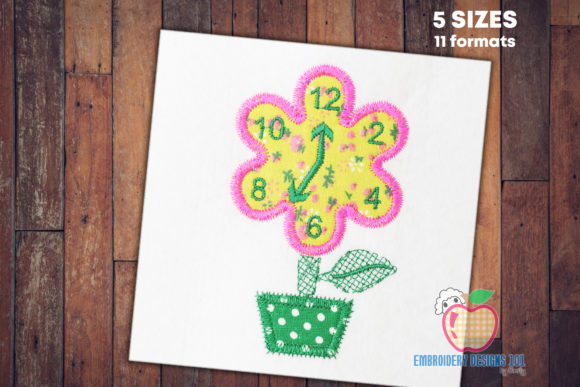
The Floral Wall Clock Applique immediately stands out because it bridges two distinct categories: functional timekeeping aesthetics and organic botanical art. While categorized under Single Flowers, this design offers more complexity than a standard floral motif. The visual mood is nostalgic yet fresh, making it an excellent candidate for cottagecore aesthetics, vintage-inspired nursery decor, or shabby chic kitchen textiles. As an applique design, it relies on fabric texture to create depth rather than excessive thread coverage, which gives it a softer, more handmade appearance compared to dense fill stitch designs.
For digital product sellers and creative entrepreneurs, the decorative appeal here is high. It does not look like a generic clip-art conversion; instead, it possesses a stitching personality that suggests intentional digitizing. The balance between the clock structure and the floral elements allows for significant customization through fabric choice, meaning one embroidery file can yield dozens of unique variations for your shop listings.
Versatility Across Commercial Projects
In my studio, versatility dictates whether a design earns a permanent spot in my library. The Floral Wall Clock Applique comes in five sizes ranging from 4 inches to 8 inches, covering hoop sizes 4x4, 5x7, 6x10, 8x8, and 8x12. This size range is crucial for commercial embroidery applications.
- Tote Bag Design: The 6x10 or 8x8 sizes serve as a stunning centerpiece for canvas tote bags. The applique technique keeps the bag lightweight, avoiding the heavy, bulletproof feel of dense embroidery.
- Sweatshirt Embroidery: For custom apparel, the 4in or 5x7 sizes work beautifully as chest placements. Because it is an applique, it reduces stitch count significantly, preventing the garment from becoming stiff or uncomfortable.
- Kitchen Towels and Aprons: This is perhaps the most natural fit. The theme aligns perfectly with culinary spaces, and the design scales well for tea towels without overwhelming the fabric.
- Nursery Decor: The larger 8x12 size is ideal for crib sheets or wall hangings, where the soft texture of applique is safer and more tactile for baby items.
- Embroidered Patch: With proper backing, the smaller sizes could be adapted into patches for caps or jackets, though testing on curved surfaces is essential.
For Etsy sellers, this variety means you can create cohesive collections across different product types using a single design asset, strengthening brand consistency.
Technical Performance and Stitch Quality
A pretty picture does not guarantee a clean stitch-out. When evaluating this digital embroidery file, I paid close attention to how the design handles practical challenges. Applique designs require precise registration between the placement line, the tack-down stitch, and the final satin border. Based on the product specifications, the detailed stitch counts provided in the product images are a vital resource. Always review these before purchasing to ensure they align with your production speed and profitability goals.
The inclusion of multiple hoop size options suggests the digitizer has resized the design intentionally rather than simply stretching a single file. This is critical for maintaining proper stitch density. A 4-inch version requires different column widths than an 8-inch version to prevent gaps or puckering. When working with textured fabrics like linen or terry cloth, which are common for this style, the running stitch and tack-down lines must be robust enough to hold the fabric edge securely before the final satin stitch covers it.
For those considering dark fabrics, remember that applique requires careful planning. You will need to match your applique fabric to your design intent, as the base fabric becomes part of the art. On stretchy knits for sweatshirts, using a fusible web on your applique fabric is non-negotiable to prevent fraying and shifting during the stitch-out.
Elevating Product Value and Buyer Trust
Using high-quality design assets directly impacts perceived value. Customers can distinguish between a rushed, poorly digitized file and a professional finish. The Floral Wall Clock Applique contributes to buyer trust by offering a polished, boutique-level aesthetic. When photographing finished products for printable mockup presentations or actual listing photos, the contrast between the thread and the applique fabric creates visual interest that flat embroidery often lacks.
This design also enhances giftability. A personalized gift featuring this motif feels bespoke and thoughtful, particularly for housewarmings or Mother’s Day. For handmade shop owners, the ability to offer a design that looks intricate but stitches out efficiently improves margins. Less time at the machine means higher throughput during peak seasons, provided the quality remains uncompromised.
Essential Notes for Professional Results
Before adding this to your next production run, adhere to these best practices to ensure success:
- Verify Licensing: Always confirm the specific license terms on the Creative Fabrica product page. Ensure you have the rights to sell finished physical products or use the design for commercial purposes as intended.
- Test on Scrap Fabric: Never run a new design directly on a customer order. Test the Floral Wall Clock Applique on the exact fabric and stabilizer combination you plan to use. Check for registration issues, especially at the corners where the clock face meets the florals.
- Stabilizer Selection: For woven fabrics, a tear-away may suffice, but for knits or unstable weaves, use a cut-away stabilizer to maintain shape. The weight of the applique fabric adds stress to the base material.
- Thread Color Contrast: Since this is an applique, your thread color should complement, not compete with, your fabric choice. Test both light and dark fabric mockups to see which yields better visibility for the satin stitch borders.
- Inspect Small Details: After stitching, check the center of the clock and any tiny floral accents. If details are lost or muddy, adjust your tension or consider using a finer needle for sharper definition.
Final Verdict for Makers
The Floral Wall Clock Applique represents a strong addition to any embroidery designer's toolkit, particularly for those specializing in home goods and vintage-style apparel. Its multi-size availability and applique construction make it a practical choice for businesses needing efficient, attractive designs. By respecting the technical requirements of satin stitch borders and proper stabilization, this design can become a staple in your catalog of handmade product offerings. Whether you are creating a seasonal collection or fulfilling custom orders, this design offers the flexibility and charm necessary to engage customers and elevate your brand's embroidery portfolio.