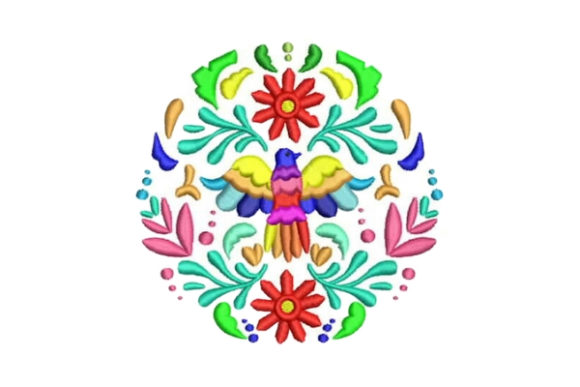
Otomi Bird Design: A Merch Review
As an embroidery designer who specializes in commercial branding and small business merchandise, I approach every new digitization with a critical eye. When evaluating the Otomi Bird Design, my primary focus is not just its aesthetic beauty, but its functional viability for production environments. This machine embroidery design captures the essence of traditional Mexican folk art, featuring a bird surrounded by decorative floral details rendered in stunning satin stitches. For small business owners, Etsy sellers, and apparel decorators, this design offers a unique opportunity to infuse brand identity with warmth and artisanal quality. However, translating intricate cultural art into durable commercial embroidery requires careful technical consideration.
Visual Personality and Brand Alignment
The first impression of the Otomi Bird Design is undeniably vibrant and handcrafted. In the context of small business merch, this visual personality translates to approachability, creativity, and authenticity. Unlike rigid corporate logos, this design communicates a narrative of heritage and care. For a local bakery, florist, or handmade jewelry studio, this aesthetic aligns perfectly with brands that value organic connection over sterile professionalism.
However, the "stunning satin stitches" mentioned in the product description are a double-edged sword for commercial use. Satin stitches provide a luxurious sheen and smooth texture that elevates the perceived value of a finished product. Yet, they also demand precision. For a boutique or creative studio looking to establish trust through high-quality custom apparel, this design signals attention to detail. It suggests that the business cares about the tactile experience of their merchandise, which can significantly enhance customer engagement and buyer loyalty.
Commercial Applications for Small Business
When integrating the Otomi Bird Design into a product line, versatility is key. Based on the design’s structure, here is how it performs across various business assets:
- Embroidered Patches: This is perhaps the strongest application. The dense satin stitching creates a self-contained motif that works beautifully as a standalone patch. For coffee shops or breweries, these can be sold as add-on merchandise or used as staff incentives.
- Apron Embroidery: For hospitality businesses, placing this design on the chest or pocket of an apron adds a distinct flair. The floral details soften the utilitarian nature of workwear while maintaining a cohesive team look.
- Tote Bag Design: Canvas totes are a staple for markets and retail. The Otomi Bird Design provides a large, colorful focal point that turns a simple bag into a desirable fashion accessory, extending brand visibility beyond the point of sale.
- Cap Embroidery: While possible, this requires caution. The design works best on unstructured caps or as a side placement rather than a complex front-center logo, due to the curvature of the hat and stitch density.
- Product Packaging Accents: For Etsy sellers, embroidering this motif onto linen pouches or wrapping bands creates a premium unboxing experience that justifies higher price points.
Technical Constraints and Production Realities
While the Otomi Bird Design is gorgeous, professional embroiderers must respect the physics of thread and fabric. The reliance on satin stitches means that stitch density will be high. This has direct implications for production efficiency and garment longevity.
Fabric Texture and Stabilizer Selection
Satin stitches require a stable foundation. If you are applying this to textured fabric like terry cloth towels or loose-knit sweaters, the stitches may sink or distort. For commercial embroidery on uniforms or work shirts, I recommend using a firm cut-away stabilizer to support the weight of the thread. Always test on the actual fabric texture intended for the final run; what works on a sample towel may fail on a polyester performance shirt.
Sizing and Detail Integrity
The decorative floral details are integral to the design's charm, but they dictate minimum sizing. You cannot shrink this machine embroidery design indefinitely without losing clarity. Before committing to a bulk order of small patches or sleeve cuffs, verify the minimum dimensions. If the satin columns become too narrow at smaller sizes, they risk fraying or breaking during washing. For items requiring frequent laundering, such as café aprons or staff polos, ensure the design size maintains structural integrity.
Strategic Designer Notes for Implementation
To maximize the ROI of this digital embroidery file, follow these professional protocols before full-scale production:
- Verify Commercial Licensing: Before selling any merchandise featuring the Otomi Bird Design, confirm the license terms included with your purchase. Ensure you have the right to use the design for commercial embroidery and branded goods.
- Check Hoop Size Compatibility: Review the design dimensions against your available hoops. Multi-hoop designs can increase production time and alignment risks. If this design comes with multi-hoop options, factor setup time into your pricing model.
- Thread Color Contrast Testing: Traditional Otomi embroidery relies on bold contrast. Test thread colors on both light and dark uniforms. A design that pops on white canvas might disappear on navy blue denim. Adjust thread colors to maintain visibility and brand consistency.
- Create a Printable Mockup: Never assume a client understands stitch texture from a digital image. Create a printable mockup or sew a physical sample for approval. This manages expectations regarding the raised texture of satin stitches versus flat print.
- Assess Stitch Density for Caps: If using this for cap embroidery, run a specific cap test. The curved surface combined with dense satin stitches can cause puckering. You may need to reduce density or adjust pull compensation specifically for headwear.
- Evaluate Wash Fastness: Satin stitches can be prone to snagging. For workwear, consider adding a protective backing or advising customers on gentle wash cycles to preserve the handmade product appearance.
Enhancing Value Through Authentic Presentation
The Otomi Bird Design is more than just a pretty picture; it is a strategic asset for businesses seeking to differentiate themselves in a saturated market. When used correctly, it bridges the gap between traditional craft and modern commerce. The key lies in respecting the technical requirements of the embroidery file while leveraging its cultural resonance.
For small business owners, this design offers a way to tell a story without words. Whether adorning a barista’s apron or serving as the centerpiece of a limited-edition tote bag collection, it conveys a sense of place and passion. By adhering to proper stabilizer techniques, verifying sizing limits, and ensuring commercial compliance, you transform a digital file into a tangible symbol of your brand’s commitment to quality. Always remember that in commercial embroidery, the most beautiful design is one that survives the rigors of daily use while retaining its original charm.