Sweet Yellow Floral Baby Bib for Small Hoops Review
As I prepare my booth inventory for the upcoming weekend craft fair, my primary focus is always on maximizing production efficiency without sacrificing that high-end handmade aesthetic. When evaluating a new machine embroidery design for commercial use, I look beyond just the digital preview; I assess how it translates to physical products that customers will actually pick up and buy. The Sweet Yellow Floral Baby Bib for Small Hoops immediately caught my attention as a potential staple for my nursery category, but its true value lies in its versatility for small hoop machines. As an experienced designer, I am reviewing this asset not just as a bib pattern, but as a strategic tool for creating sellable inventory across multiple product lines.
First Impressions and Aesthetic Appeal
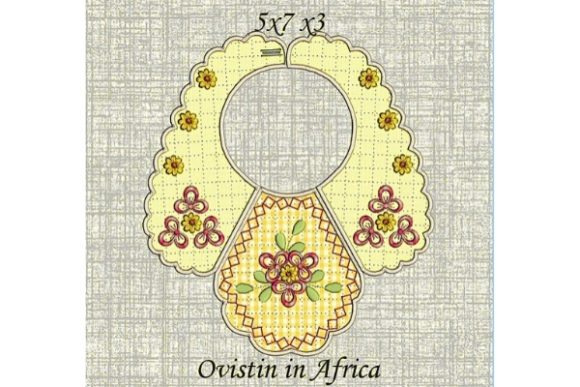
Upon loading the embroidery file, the first impression is undeniably soft yet vibrant. The yellow floral motif strikes a perfect balance between modern farmhouse and classic nursery elegance. It does not feel overly cartoonish, which broadens its appeal to parents seeking sophisticated handmade products. For a craft fair table display, this color palette acts as a visual anchor. Yellow is a high-visibility color that draws the eye from a distance, making it an excellent choice for booth samples. However, the design feels delicate enough to suggest premium quality rather than mass-produced goods. This specific aesthetic is crucial for Etsy sellers and boutique makers who need their listings to photograph well and convey texture through a screen.
Optimizing for Small Hoop Production
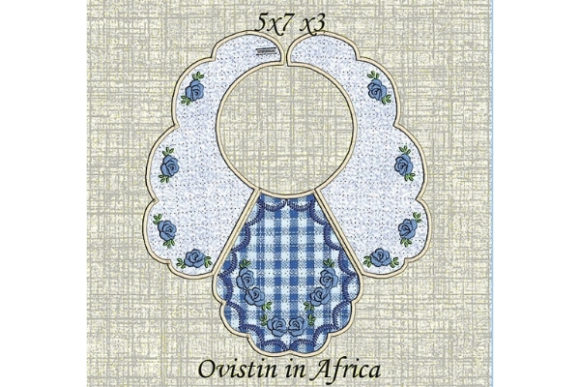
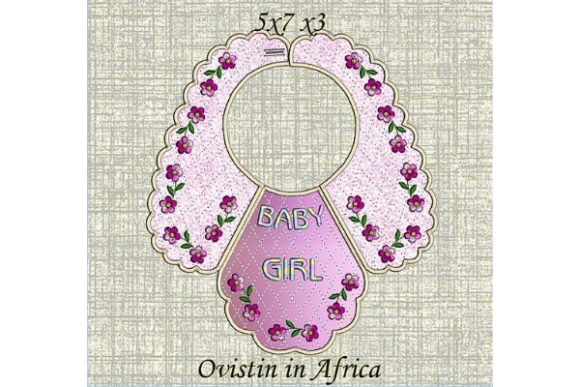
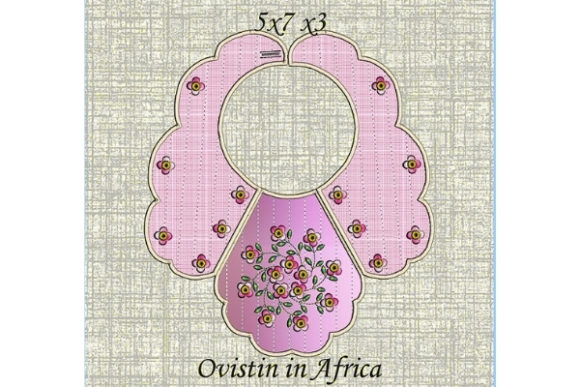
The most significant selling point of this design is its optimization for small hoops. Many creative entrepreneurs own entry-level machines with limited field sizes, often restricting them to left-chest logos or tiny monograms. Because the Sweet Yellow Floral Baby Bib for Small Hoops is digitized in three parts, it unlocks larger-scale projects for these users. From a production standpoint, this multi-part structure requires precise alignment, but it allows for a finished size suitable for babies aged 4-12 months without needing industrial equipment. For batch production, this means I can utilize smaller, more affordable stabilizers and reduce fabric waste. The included tutorials are a vital asset here, ensuring that even newer embroiderers can achieve professional registration marks and seamless joins between the three sections.
Versatility Across Craft Fair Products
While marketed as a bib, an experienced commercial embroidery business owner knows that a single floral motif can drive sales across various categories. I have evaluated how this design performs when adapted for other best-selling items:
- Tote Bag Design: Placed centrally or as a corner accent, the yellow florals pop beautifully against natural canvas or white cotton tote bags. The stitch density appears balanced enough to prevent puckering on unstructured fabrics.
- Apron Embroidery: This motif works exceptionally well as a chest placement on half-aprons or waist aprons. It adds a feminine, cottage-core touch that appeals to bakers and gardeners at farmers markets.
- Tea Towel Embroidery: Flour sack towels are a craft fair staple. This design serves as a lovely focal point above a hemstitch border. The floral theme aligns perfectly with kitchen decor trends.
- Fabric Pouches and Zipper Bags: Scaled down slightly (if the digitizing permits) or used as-is, this design transforms plain linen pouches into giftable cosmetic or diaper bags.
- Pillow Covers: For nursery decor, this embroidery creates a cohesive look when paired with matching bibs, encouraging customers to purchase bundles rather than single items.
This adaptability makes the Sweet Yellow Floral Baby Bib for Small Hoops a high-value digital embroidery file because it supports a cohesive brand collection rather than a standalone item.
Practical Selling Points and Display Strategy
At a market stall, customers make split-second decisions. This design succeeds because it is instantly readable. The contrast between the yellow thread and typical base fabrics ensures clarity from several feet away. For online sellers, this translates to better thumbnail visibility in search results. When creating a printable mockup or listing photo, the cheerful nature of the flowers evokes an emotional response associated with new beginnings and joy, which is essential for nursery sales. Furthermore, because it is designed for small hoops, it is highly repeatable. I can run multiple positions on a single hooping or quickly re-hoop for continuous production, keeping my cost-per-unit low and profit margins healthy.
Critical Use Notes for Professional Results
Despite its charm, this design requires careful execution to maintain a premium reputation. As with any multi-part design assets, alignment is non-negotiable. If you are applying this to textured towels or thick canvas tote bags, you must account for fabric push-and-pull. I strongly advise testing the registration on scrap fabric identical to your final product before committing to a full production run. Dense stitch areas in the flower centers may require a heavier weight stabilizer or a topping to prevent stitches from sinking into plush fabrics. Conversely, if using lightweight voile or batiste for actual bibs, ensure the needle size is appropriate to avoid perforation tears.
Additionally, verify the hoop size requirements for each of the three parts individually. Some small hoops have irregular shapes or maximum stitching areas that differ from the physical frame size. Always confirm that your machine’s specific footprint accommodates the design dimensions. For those considering resizing, be cautious; altering the size of a multi-part design can distort alignment points and ruin the intended flow of the floral arrangement.
Designer Recommendations for Market Success
To maximize the ROI on this craft fair product, follow these professional guidelines:
- Create Physical Mockups: Do not rely solely on digital renders. Stitch out at least one sample on your intended selling fabric to check thread tension and color accuracy under natural light.
- Thread Color Validation: "Sweet Yellow" can vary by brand. Compare your thread chart against the fabric to ensure the contrast is sufficient. A pale yellow on cream fabric may disappear in photos and on the table.
- Bundle for Value: Since the design fits the 4-12 month demographic, create gift sets. Pair an embroidered bib with a matching burp cloth or pacifier clip to increase average order value.
- Check Licensing: Before selling finished goods or offering the design itself, review the commercial license terms provided with the file to ensure compliance with marketplace rules.
- Photograph Texture: When listing on Etsy or social media, take close-up shots that show the stitch definition. Customers buying small shop products want to see the craftsmanship that distinguishes handmade items from factory prints.
The Sweet Yellow Floral Baby Bib for Small Hoops represents a smart investment for embroidery businesses targeting the nursery and home goods market. Its thoughtful digitization for smaller machines democratizes access to larger, more profitable designs. By treating this file as a versatile component of a broader product strategy—spanning bibs, totes, aprons, and linens—you can create a cohesive, attractive booth display that resonates with shoppers. Remember that success in commercial embroidery comes from the intersection of beautiful design and practical manufacturing. With proper testing, stabilization, and creative application, this floral motif has the potential to become a signature bestseller in your handmade collection.