Cute Deer with Floral Background Redwork Review
As an embroidery designer constantly scouting for fresh assets for boutique apparel collections, I approach every new digital file with a critical eye. When browsing Creative Fabrica embroidery designs for an upcoming seasonal line, the Cute Deer with Floral Background Redwork immediately caught my attention. Redwork is a timeless technique that translates exceptionally well to modern custom apparel, offering a vintage aesthetic without the heavy stitch density of traditional filled designs. For small shop owners and Etsy sellers looking to expand their handmade product offerings, this design presents a unique opportunity to create lightweight, textured garments that stand out in a saturated market.
Visual Personality and Boutique Brand Identity
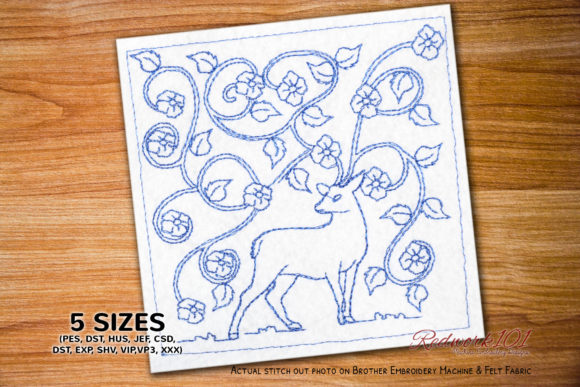
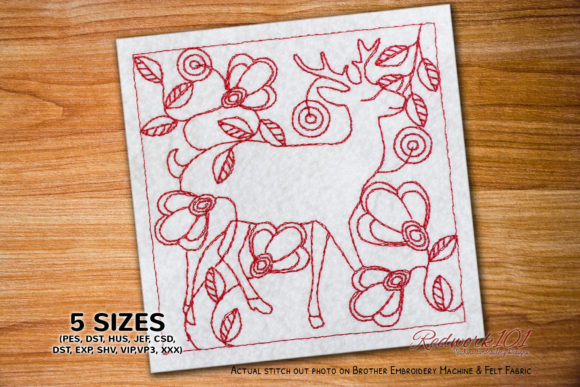
The first impression of this machine embroidery design is one of refined whimsy. Unlike many wild animals embroidery files that lean heavily into realism or cartoonish exaggeration, this deer strikes a balance between rustic charm and feminine elegance. The floral background provides necessary framing, making it feel like a complete composition rather than a floating clip-art element. For a boutique brand, this visual cohesion is vital. It signals to the customer that the garment was curated with intention.
The redwork style relies on outline stitching and decorative fill patterns rather than solid satin or tatami fills. This creates a breathable, soft-hand finish that is highly desirable for premium sweatshirt embroidery and hoodie design projects. The mood is undeniably cozy yet polished, making it suitable for both casual wear and elevated lifestyle merchandise. As a designer, I appreciate that the aesthetic feels classic enough to remain relevant beyond a single micro-trend season, which protects your inventory investment and maintains long-term buyer trust.
Strategic Placement for Apparel and Accessories
When planning a collection around the Cute Deer with Floral Background Redwork, versatility is key. The design’s structure lends itself to multiple placement strategies across different garment types:
- Center Chest Sweatshirts: This is the most obvious application. On neutral-toned fleece or French terry, the linear quality of redwork allows the fabric texture to show through, preventing the "bulletproof vest" effect common with dense embroidery.
- Hoodie Design Accents: Consider placing the design slightly lower on the chest or offset to one side for a contemporary, asymmetric look. This works particularly well on oversized garments where center placement can sometimes get lost in fabric folds.
- Tote Bags and Denim: Because redwork uses less thread, it penetrates heavier fabrics like canvas and denim beautifully without causing excessive puckering. This makes it an excellent candidate for expanding your shop beyond apparel into accessories.
- Sleeve and Back Placements: While the primary design is likely sized for a main focal point, the floral elements could potentially be isolated (if the digitizer allows) for smaller sleeve accents, creating a cohesive capsule collection.
For Etsy sellers, these varied applications mean you can generate multiple printable mockup variations from a single digital embroidery file, maximizing your listing potential without additional design costs.
Technical Considerations for Professional Results
While the Cute Deer with Floral Background Redwork is visually appealing, successful commercial embroidery requires technical diligence. Redwork is deceptively simple; because there are fewer stitches to hide imperfections, precision is paramount. Before committing this design to your production lineup, consider the following designer notes:
Fabric Texture and Stabilizer Choice
Redwork demands a stable foundation. On stretchy knit fabrics like sweatshirt fleece or ribbed cuffs, you must use adequate stabilization to prevent distortion. I recommend testing with a medium-weight cutaway stabilizer for knits to maintain registration during the stitching of those delicate floral lines. For woven fabrics like denim jackets or tote bags, a tear-away may suffice, but always verify against the specific stitch density of the file. Always test on scrap fabric that matches your production garment weight before running a final piece.
The Optional Box Stitch Element
The product description notes that the box stitch shown is optional and that the outer box color varies. This is a significant advantage for apparel decorators. Framing elements can sometimes limit placement options or clash with garment seams. Having the ability to remove the box allows you to adapt the design for curved surfaces or smaller hoop size constraints. However, if you choose to keep the frame, ensure your thread colors complement the base garment. A high-contrast box on a dark hoodie creates a bold statement, while a tonal box on a pastel sweatshirt offers a subtle, high-end finish. Confirm the specific color stops in your embroidery software before production to avoid unexpected thread changes.
Thread Color and Contrast Strategy
Although termed "redwork," this style does not require red thread. In fact, for modern boutique apparel, monochromatic or tonal schemes often sell better. Testing white thread on cream fleece, charcoal on grey heather, or sage green on oatmeal can dramatically alter the perceived value of the finished product. Always review thread color contrast against your specific blank inventory. What looks vibrant on a screen may disappear on a similarly colored garment or look too harsh on a soft pastel.
Elevating Product Value and Customer Engagement
In the competitive landscape of custom apparel and digital sellers, presentation drives sales. The Cute Deer with Floral Background Redwork supports professional presentation through its inherent detail level. When photographing finished products for social media graphics or Etsy listings, the intricate line work photographs beautifully at various distances. Close-up shots highlight the craftsmanship and stitch quality, reinforcing buyer trust, while full-body shots demonstrate scale and wearability.
Furthermore, using distinctive designs from Creative Fabrica helps establish product recognition. If customers associate your shop with high-quality, nature-inspired embroidery that feels soft and wearable, they are more likely to return. This design bridges the gap between trendy cottagecore aesthetics and enduring classic embroidery, giving your small shop product lineup broader appeal. It avoids the generic feel of mass-produced graphics, positioning your brand as a creator of thoughtful, handmade goods.
Essential Pre-Production Checklist
Before adding this design to your commercial embroidery catalog, run through this practical verification list:
- Verify Licensing: Double-check the Creative Fabrica product details regarding commercial use limits. Ensure you are compliant for selling finished apparel versus selling the digital file itself.
- Confirm Hoop Size Compatibility: Check the exact dimensions of the embroidery file against your machine’s maximum embroidery area. Do not assume it fits your standard 4x4 or 5x7 hoop without measuring.
- Inspect Stitch Density: Open the file in your editing software to view the total stitch count. This informs pricing, production time estimates, and stabilizer requirements.
- Test on Target Fabric: Never skip the sew-out test on the actual garment type you intend to sell. Fleece, cotton, and denim all react differently to redwork outlines.
- Review Color Stops: Since the outer box color varies, map out your preferred thread palette before bulk production to ensure consistency across your collection.
The Cute Deer with Floral Background Redwork represents a strong addition to any apparel decorator’s library. Its blend of nostalgic technique and adaptable composition makes it a reliable choice for creating sellable, high-margin merchandise. By approaching this design with professional testing and strategic placement, you can transform a simple digital download into a cornerstone of your next best-selling collection.