Floral Seamless Pattern with Coffee Cup Review
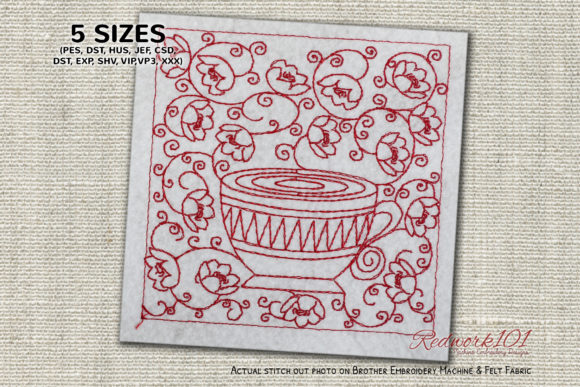
As an embroidery designer specializing in commercial merchandise, I approach every new machine embroidery design with a critical eye toward production viability and brand alignment. When reviewing the Floral Seamless Pattern with Coffee Cup, my immediate assessment focuses on its dual nature as both a decorative element and a functional branding asset for small businesses. This design presents a unique opportunity for cafes, bakeries, florists, and artisanal tea shops to create cohesive small business merch that feels organic rather than corporate. The description notes that "a fresh new day can start with this cute embroidery," suggesting a visual personality that is welcoming, warm, and inherently tied to the morning ritual of beverage service. However, translating this aesthetic into durable custom apparel and accessories requires careful technical consideration.
Visual Personality and Brand Alignment
The first impression of the Floral Seamless Pattern with Coffee Cup is one of approachable professionalism. It strikes a balance between rustic charm and modern cleanliness, making it highly versatile for various business identities. For a boutique coffee shop or a handmade pottery studio, this design communicates craftsmanship and attention to detail. Unlike rigid corporate logos, the floral elements soften the commercial aspect of the cup iconography, creating an emotional connection with customers who value the "handmade product" aesthetic.
From a branding perspective, this design serves as more than just decoration; it acts as a visual anchor for brand identity. When applied consistently across touchpoints, it reinforces recognition. The seamless nature of the pattern allows for flexible application, meaning the same embroidery file can be adapted for a large tote bag surface or condensed for a smaller chest placement without losing its core character. This versatility is crucial for small business owners managing limited budgets for design assets. The optional box stitch mentioned in the product details adds a layer of customization, allowing businesses to frame the motif for a badge-like appearance or leave it open for a softer, all-over print effect.
Commercial Applications for Hospitality and Retail
In real-world business scenarios, the Floral Seamless Pattern with Coffee Cup performs exceptionally well across multiple merchandise categories. For hospitality staff, this design is ideal for apron embroidery. Aprons provide a flat, stable canvas that accommodates the detailed interplay of floral vines and the central cup motif. Because the outer box color is noted as different from the main design, this offers a built-in color-blocking opportunity that can match specific uniform accents or interior decor themes.
Beyond uniforms, this design translates effectively to customer-facing retail items. A tote bag design featuring this pattern becomes a walking advertisement for a local café or market stall. The "seamless" aspect implies a continuous flow, which looks particularly premium on larger textile surfaces where disjointed repeats can look amateurish. For businesses in the tea category, while the icon depicts a coffee cup, the floral surround makes it easily adaptable; the warmth of the design fits the tea culture equally well. Furthermore, this motif works beautifully as an embroidered patch for denim jackets, caps, or backpacks sold as event merch. Patches allow for high-density stitching on a stable backing before being applied to difficult garments, ensuring the intricate floral details remain crisp.
Technical Considerations and Production Limits
Despite its aesthetic appeal, the Floral Seamless Pattern with Coffee Cup demands respect during the digitizing and production phases. As a reviewer, I must highlight areas where caution is necessary to ensure a high-quality finished product.
- Stitch Density Management: Floral patterns combined with solid fill objects like a coffee cup can result in high stitch density. If used on lightweight fabrics or performance wear, this could cause puckering or fabric damage. Always verify the density settings within the digital embroidery file before mass production.
- Small Patch Sizing: While excellent for aprons and totes, scaling this design down for cap fronts or sleeve cuffs requires testing. Intricate floral petals may merge into undefined blobs if reduced below a certain threshold. Cap embroidery specifically introduces curvature challenges; ensure the design has adequate underlay to prevent distortion on curved surfaces.
- Fabric Texture Compatibility: The description mentions kitchen towels, which are typically terry cloth or waffle weave. These textured surfaces can swallow fine details. When applying this design to such materials, using a water-soluble topping is non-negotiable to keep the floral definition sharp against the fabric texture.
- Color Contrast and Washability: Since the outer box is a different color, ensure there is sufficient contrast between the box, the florals, and the base garment. For commercial embroidery intended for frequent industrial washing (like restaurant linens), verify that thread colors are colorfast and that the design does not rely solely on delicate satin stitches that may fray over time.
Designer Notes for Successful Implementation
To maximize the ROI on this embroidery file, I recommend a structured testing protocol before committing to a full production run. First, always check the commercial licensing terms associated with the purchase. Confirming you have the right to use the design for branded merchandise is the foundational step of professional commercial embroidery.
Next, conduct a physical test sew-out. Do not rely solely on software simulations. Stitch the design out in black and white first to evaluate the structural integrity of the stitch density and registration without the distraction of color. Inspect the spacing between the floral elements and the optional box border; if they are too close, trimming will be difficult and risky. Verify the required hoop size matches your equipment capabilities, keeping in mind that seamless patterns often require larger hoops or precise re-hooping techniques for all-over coverage.
When preparing for client approval or internal sign-off, create a realistic printable mockup. Place the design on photos of actual blank goods you intend to use, such as the specific apron style or cap model. This helps visualize scale and placement relative to seams, pockets, and zippers. Compare this design beside other existing brand assets to ensure visual consistency. Does the line weight of the floral pattern match your current logo? Is the style congruent with your packaging?
Finally, pay close attention to stabilizer selection. The interaction between the coffee cup fill and the floral outline requires a stable foundation. For stretchy knits used in staff polos, a cut-away stabilizer is essential. For woven kitchen accessories, a tear-away may suffice, but always test for residue. By treating the Floral Seamless Pattern with Coffee Cup as a technical component of your business infrastructure rather than just a pretty picture, you ensure that your custom apparel and merchandise not only look beautiful on day one but continue to represent your brand quality through years of use. This thoughtful approach transforms a simple embroidery design into a lasting asset for customer engagement and brand loyalty.