Double Floral Heart Applique: A Craft Fair Review
As an embroidery designer preparing for a weekend craft fair, my selection process is ruthless. I cannot afford to hoop designs that are ambiguous, overly complex to produce in batches, or visually confusing from six feet away at a market booth. When evaluating the Double Floral Heart Applique for my upcoming Valentine’s Day collection, I am looking for more than just a pretty digital file. I need a reliable craft fair product that translates seamlessly from screen to fabric and ultimately into sales. This review breaks down how this specific machine embroidery design performs in a real-world commercial environment, focusing on production efficiency, visual impact, and customer appeal.
First Impressions: Romantic Versatility Over Niche Novelty
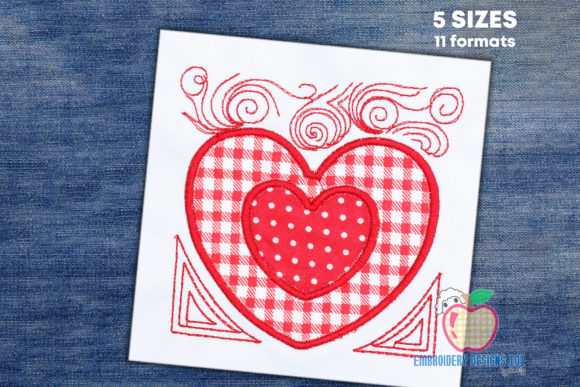
The immediate strength of the Double Floral Heart Applique is its balanced aesthetic. It does not scream "cheap novelty" often associated with holiday-specific goods. Instead, it strikes a tone that feels soft, decorative, and slightly vintage without being dated. The double floral element adds necessary volume and texture that a simple heart outline lacks, making it feel like a premium handmade product rather than mass-produced clip art.
For an Etsy seller or boutique maker, this versatility is gold. While categorized under Valentine’s Day, the botanical elements allow this design to transition into spring markets, Mother’s Day inventory, or general romantic home decor. The appliqué technique itself signals value; customers perceive layered fabric and stitching as higher quality than standard satin stitch fills. From a distance, the bold shape reads clearly, while the floral details invite closer inspection once the customer approaches the table.
Top Performing Products for Market Booths
Not every item sells equally well at a physical market. Based on the structure of this design, here is where the Double Floral Heart Applique shines brightest:
- Tote Bag Design: Canvas totes are high-margin staples. The appliqué texture contrasts beautifully against natural cotton canvas. Because the steps are separated by color changes, you can easily match the inner floral fabric to other booth signage or packaging for brand consistency.
- Tea Towel Embroidery: Flour sack towels are lightweight and easy to display hanging. The heart shape centers perfectly on standard towel widths. This is a high-volume seller because the price point is accessible, and the design size is usually appropriate for standard hoops without excessive re-hooping.
- Apron Embroidery: For kitchenware vendors, this design works exceptionally well on bib-style aprons. The placement allows the heart to sit centrally on the chest, acting as a focal point that photographs well for social media marketing during the event.
- Embroidered Patch: If you have leftover felt or twill scraps, this design converts easily into patches. These serve as excellent add-on items or basket stuffers. The defined edges of a heart appliqué make trimming clean and professional.
Production Reality: Batching and Color Management
Efficiency dictates profit margins. The description notes that steps are separated by color changes, which is a critical feature for batch production. When running ten tea towels back-to-back, predictable stops mean I can pre-thread needles or set up multiple machines without constant supervision. However, as a designer, I must verify the sequence. Does the tack-down stitch align perfectly before the final satin border? Misalignment in appliqué ruins the perceived quality instantly.
Because this is an appliqué design, fabric choice becomes part of the production workflow. Unlike a standard digital embroidery file where thread color is the only variable, here I must source coordinating quilting cottons or linens. For a cohesive booth display, I recommend selecting two or three core fabrics for the floral center and sticking to them across all products. This reduces cutting time and creates a curated, professional look that attracts buyers who appreciate intentional design.
Critical Technical Considerations and Warnings
While the Double Floral Heart Applique is versatile, it presents specific challenges that require testing before committing to a full production run. As experienced embroiderers know, what looks perfect in software can fail on textured surfaces.
Fabric Texture and Stabilizer Choice
Appliqué relies on crisp edges. On smooth cotton, this is straightforward. On terry cloth towels or waffle weave, the pile can push through the satin border, creating a messy finish. You must use a water-soluble topping and potentially a heavier cutaway stabilizer to maintain definition. Always test on the exact fabric texture you intend to sell. If the design loses clarity on a specific towel brand, switch products rather than risking unsellable inventory.
Hoop Size and Placement Accuracy
Hearts are symmetrical shapes, meaning any rotation error is immediately visible to the human eye. Unlike organic florals where slight shifts look natural, a tilted heart looks like a mistake. Confirm your hoop size allows adequate margin for the presser foot. When hooping curved items like caps or rounded pouches, ensure the design area remains flat. If the Double Floral Heart Applique is too large for the safe zone of a cap frame, resize it or move it to a flat surface product. Do not force a design into a difficult hoop position just to offer a new product category.
Density and Small Details
Check the stitch density of the floral elements within the heart. If resizing down for smaller items like baby onesies or pocket accents, intricate floral cuts may become impossible to trim cleanly. Conversely, scaling up for large pillow covers may result in sparse coverage. Verify the minimum and maximum safe resize limits in your software before production. Tiny lettering or micro-details inside the floral sections should be inspected; if they disappear at smaller sizes, remove them digitally to preserve the overall legibility of the finished product.
Visual Merchandising and Customer Engagement
At a craft fair, you have seconds to capture attention. The Double Floral Heart Applique supports strong visual merchandising because of its recognizable silhouette. Use this to your advantage in booth layout. Group items by color family rather than product type to create a gradient effect that draws the eye across the table.
For online sellers, this design is highly photogenic. The dimensional nature of appliqué catches light differently than flat embroidery, adding depth to listing photos. Create a printable mockup or lifestyle shot showing the texture close-up. Customers buying handmade goods want to see the craftsmanship. Highlighting the raw edge or turned edge of the appliqué in your photography validates the price point and distinguishes your work from direct-to-garment printing.
Designer Checklist Before Selling
Before listing this as a commercial embroidery offering or stitching inventory, complete this mandatory checklist:
- Verify Licensing: Confirm the specific license terms for this embroidery file. Ensure you have rights to sell finished physical products, especially if purchasing from a marketplace with varying designer terms.
- Test Stitch-Out: Never skip this step. Run the design on scrap material identical to your sale items. Check registration marks and fabric adhesion.
- Audit Thread Colors: Since steps are separated by color changes, map out your thread palette beforehand. Ensure you have sufficient stock of each shade for the entire batch to avoid mid-production dye lot variations.
- Create Physical Mockups: Digital renderings lie. Make at least one sample tote and one sample towel to assess scale and proportion in real life.
- Inspect Trim Lines: After the test run, evaluate the ease of trimming. If the tack-down stitch is too far from the satin border, adjust manually to prevent fraying after washing.
The Double Floral Heart Applique offers significant potential for handmade business owners when approached with technical discipline. Its blend of seasonal relevance and timeless construction makes it a safer bet than trend-chasing novelties. By respecting the production requirements of appliqué and leveraging its visual warmth in your booth display, this design can anchor a profitable Valentine’s season and extend well beyond February. Treat it as a foundational asset in your design assets library, and it will return value through repeatable, high-quality sales.