Floral Pattern Redwork: An Etsy Seller Review
As an embroidery business owner constantly scouting for versatile designs, I approach every new Creative Fabrica embroidery find with a specific checklist. It is not enough for a design to simply look pretty on a screen; it must translate into a sellable handmade product. When evaluating "Floral Pattern a Redwork," I am looking at more than just a digital file. I am assessing its potential to drive sales across multiple categories, from custom apparel to home decor. This review breaks down the commercial viability of this machine embroidery design for fellow Etsy sellers and small shop owners who need reliable, profitable assets.
Visual Personality and Market Positioning
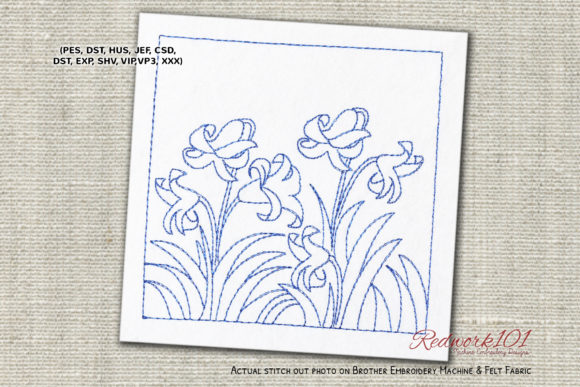
The first thing that stands out about Floral Pattern a Redwork is its classic aesthetic. Redwork traditionally evokes a sense of nostalgia, rustic charm, and vintage elegance. For a craft business, this visual personality is gold. It bridges the gap between farmhouse chic and modern minimalism. Unlike complex, multi-color floral designs that can feel dated or overly busy, redwork relies on line art and negative space. This makes the design feel airy, sophisticated, and intentionally simple.
For sellers targeting the cottagecore demographic or customers seeking timeless personalized gifts, this style is highly effective. It does not scream "trend"; it whispers "heirloom." Whether you are stitching onto unbleached linen or crisp white cotton, the single-color nature of this design allows the texture of the fabric to shine through. This is crucial for creating products that photograph well. High-contrast redwork is readable even in small thumbnail images on mobile devices, which is where most Etsy traffic originates.
Versatility Across Product Categories
A major factor in my purchasing decision is versatility. Can this embroidery file work on more than one type of blank? With Floral Pattern a Redwork, the answer appears to be yes. Because it falls under the Single Flowers category but features a pattern layout, it offers unique placement opportunities.
- Kitchen Towel Embroidery: This is perhaps the strongest use case. The linear or repeating nature suggested by "pattern" fits perfectly above the hem of a flour sack towel. It adds value without overwhelming the functional aspect of the towel.
- Tote Bag Design: Canvas totes benefit from bold, single-color graphics. Redwork provides enough visual weight to stand out against natural canvas while keeping production costs low since there are no thread changes.
- Baby Embroidery: While red is traditional, this design structure likely adapts beautifully to pastel threads for nursery items. Stitching this onto a bib or blanket corner creates a sweet, gender-neutral option if you swap the thread color.
- Sweatshirt Embroidery: For custom apparel, consider placing this design on a collar point, cuff, or as a subtle left-chest motif. The simplicity prevents the garment from looking stiff or heavy.
Navigating the Optional Box Stitch Feature
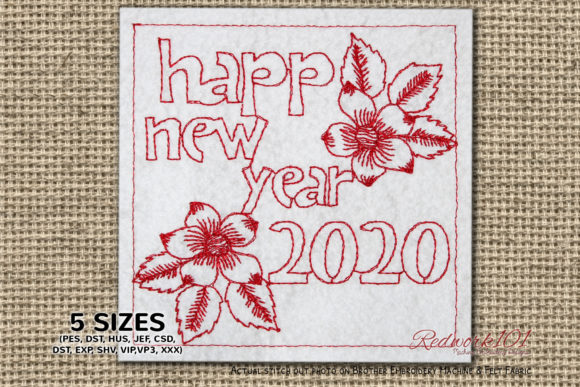
The product description highlights a critical feature for commercial embroiderers: "The Box Stitch shown in picture is optional." From a production standpoint, this is a massive advantage. In my experience, framed designs often limit placement flexibility. By offering the floral element independently, this digital embroidery file respects the maker's creative control.
If you are creating an embroidered patch, you might want the box to define the border. However, if you are hooping a curved surface like a cap or a gathered apron pocket, the rigid box could cause registration issues or puckering. Being able to skip the outer box color directly means you can adapt the same file for flat and dimensional surfaces without needing editing software. Furthermore, the note that "the color of outer Box is different color in most of the designs unless it is part of the design itself" serves as a helpful reminder to check your color stop sequence before hitting start. Always verify if the box is a separate object in the stitch file so you can delete it easily if your project requires a borderless look.
Production Practicalities and Quality Control
Before listing any item made with Floral Pattern a Redwork, practical testing is non-negotiable. As experienced sellers know, a beautiful digitization can still fail if the stitch density is mismatched with your chosen fabric. Redwork typically uses running stitches or bean stitches. If the density is too high, it can cut through lightweight fabrics like voile or batiste. If it is too sparse, it may look cheap on heavier denim or canvas.
I strongly recommend stitching a sample on your intended end-product fabric before finalizing your listings. Pay close attention to the following:
- Stabilizer Selection: Test both tear-away and cut-away options. Redwork can sometimes pull fabric if the stabilization is insufficient, especially if the design has long span stitches.
- Hoop Size Confirmation: Check the exact dimensions on the Creative Fabrica product page. Ensure the design fits comfortably within your machine’s maximum sewing field with adequate margin for hoop burn prevention.
- Thread Color Testing: While called "Redwork," test variegated threads or tone-on-tone shades. A cream-on-cream version could serve as a premium "white work" alternative for bridal or high-end baby goods.
- Readability Check: Print a printable mockup or take a photo of your stitch-out at thumbnail size. If the floral details disappear when shrunk down, you may need to adjust the scale or choose a bolder thread weight for production.
Commercial Value and Licensing Considerations
For those running a commercial embroidery operation, licensing is the foundation of ethical selling. Always confirm the specific license terms on the Creative Fabrica product page before selling finished goods. Licenses can change, and assuming permission can lead to shop suspensions. Generally, Creative Fabrica offers generous terms for physical products, but verifying this ensures your peace of mind.
Beyond legality, consider the perceived value. Floral Pattern a Redwork supports higher price points because it looks intentional and artisanal. Mass-produced embroidery often suffers from over-digitization and excessive fill stitches. A clean redwork design signals "handmade" to the buyer. When photographing your finished product, style it with complementary rustic props—wooden spoons for kitchen towels, dried flowers for tote bags, or vintage lace for baby items. This contextual styling helps the customer visualize the item in their own life, increasing conversion rates.
Final Thoughts for the Creative Entrepreneur
Floral Pattern a Redwork represents a smart addition to a professional embroidery library. Its strength lies in its adaptability and its alignment with current market trends favoring sustainable, slow-fashion aesthetics. By leveraging the optional box feature, testing thread colors thoroughly, and applying strategic product photography, you can transform this single embroidery file into a diverse collection of best-sellers.
Remember that success in this niche comes from matching the right design to the right blank. Do not force this design onto polyester performance wear or neon activewear; let it live where it thrives on natural fibers and classic silhouettes. Visit the Creative Fabrica listing to grab the technical specs you need, run your test stitch-outs, and start planning your next seasonal collection with confidence. Whether you are updating your Etsy shop or preparing for a local craft fair, this design offers the reliability and charm necessary for a thriving handmade business.