Flower Embellishment Outline: A Merch Review
As an embroidery designer who specializes in commercial branding and small business merchandise, I approach every new digitized asset with a critical eye. When evaluating the Flower Embellishment Outline, my primary focus is not just on its aesthetic beauty, but on its functional viability for production environments. Small business owners, Etsy sellers, and apparel decorators need more than a pretty picture; they need a reliable machine embroidery design that stitches out consistently across various substrates while reinforcing brand identity. This review analyzes this specific floral outline through the lens of professional application, ensuring it meets the rigorous demands of commercial embroidery.
Visual Personality and Brand Alignment
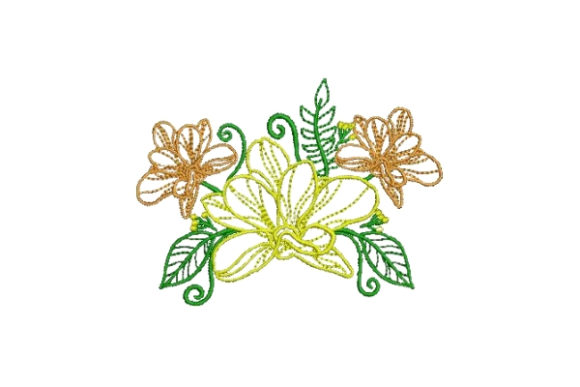
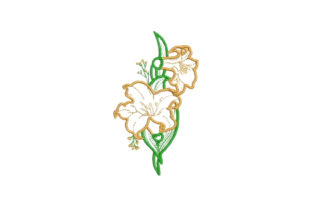
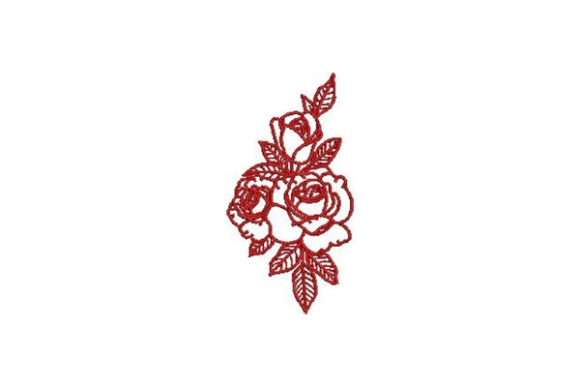
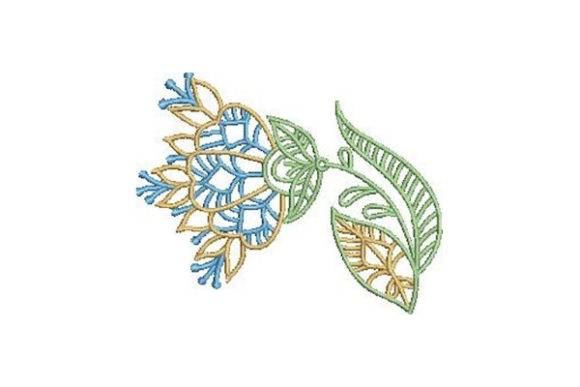
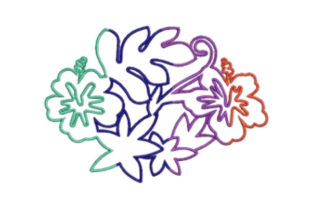
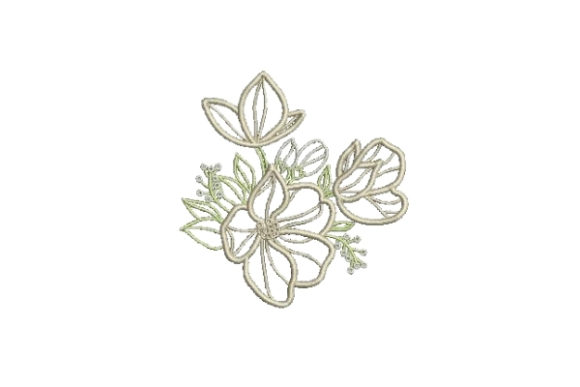
The first impression of the Flower Embellishment Outline is one of delicate sophistication. Based on the description promising a "delicate scheme of colors" and a "warm feeling," this design leans heavily into organic, artisanal, and welcoming aesthetics. For a local bakery, florist, boutique, or wellness studio, this visual tone is invaluable. It communicates care and attention to detail without being overly aggressive or corporate.
However, from a technical standpoint, "delicate" often translates to finer lines and potentially lower stitch density. While this creates an elegant look, it requires careful consideration when applied to custom apparel. The outline style suggests a lighter weight design compared to a fully filled satin stitch flower. This makes it exceptionally versatile for layering over text or combining with other design assets, but it also means the design relies entirely on precise registration. If your brand requires bold, high-visibility signage from a distance, this may serve better as a secondary accent element rather than a primary logo. For brands focusing on intimacy, craftsmanship, and natural products, however, the visual personality of this embroidery file aligns perfectly with customer expectations of quality and warmth.
Performance Across Business Applications
In real-world scenarios, the utility of the Flower Embellishment Outline shines in specific merchandise categories. I have evaluated its potential performance across several key items for small businesses:
- Apron Embroidery: This is perhaps the strongest use case. The delicate nature of the design complements canvas or denim aprons without adding excessive bulk or stiffness. For cafés and florists, placing this outline near a pocket or hem adds a premium touch to staff uniforms while maintaining comfort during long shifts.
- Tote Bag Design: Natural cotton totes are a staple for handmade brands. Because this design uses an outline technique, it preserves the drape of the fabric better than heavy fill designs. It allows the bag to remain functional and foldable, which customers appreciate.
- Embroidered Patches: Creating standalone patches requires clean edges and stable interiors. An outline flower can work beautifully as a patch if backed properly, offering a vintage or botanical illustration vibe that appeals to collectors and gift buyers.
- Product Packaging Accents: Beyond wearables, this design works well on linen napkins, cloth gift bags, or branded wrapping. The "peace of mind" aesthetic enhances the unboxing experience, turning simple packaging into a memorable brand interaction.
For Etsy sellers and craft businesses, this versatility means one digital embroidery file can generate multiple revenue streams. Whether you are stitching onto a finished product or selling the embellished item itself, the design’s adaptability supports diverse inventory planning.
Technical Considerations and Production Risks
While the Flower Embellishment Outline offers significant aesthetic value, professional embroiderers must navigate specific technical challenges to ensure a high-quality finished product. Outline designs are unforgiving regarding stabilization and fabric choice.
Fabric Texture and Stabilizer Selection
The description notes you can "stitch it on any piece of fabric," but experienced decorators know this comes with caveats. On textured fabrics like terry cloth or heavy knits, fine outline stitches can get lost or sink into the pile. For these materials, you may need to adjust the underlay or increase the stitch width slightly. Conversely, on sheer or lightweight fabrics, the stabilizer choice becomes critical. A cut-away stabilizer is generally recommended for outline work to prevent puckering, as the tension of continuous running stitches can distort unstable fabrics. Always test on a scrap of the actual garment material before committing to a full production run.
Cap Embroidery and Curved Surfaces
Applying this design to caps requires caution. The curved surface of a hat front can distort circular or organic shapes. If the Flower Embellishment Outline contains perfect circles or symmetrical petals, they may appear oval after stitching due to cap distortion. Furthermore, cap embroidery typically requires higher density to overcome the seam and structure of the hat. Verify that the design has adequate underlay for structured headwear, or reserve this specific file for flat-brim hats and unstructured dad caps where the surface is more forgiving.
Small Patch Sizes and Detail Retention
Scaling down is often necessary for sleeve cuffs, collar points, or baby merchandise. Outline flowers risk losing definition at very small sizes. If the lines become too thin, they may break during stitching or disappear visually. Before using this for tiny applications, verify the minimum recommended size in the file specifications. You may need to simplify the design or remove inner details to maintain clarity at reduced dimensions.
Strategic Value for Brand Identity
Beyond the needle and thread, the Flower Embellishment Outline serves a strategic business function. In a market saturated with generic clip art, a cohesive, delicate floral motif helps establish a distinct visual language. Consistency builds trust; when customers see this same floral accent on your staff uniforms, shopping bags, and social media printable mockups, it reinforces professionalism.
This design also supports the narrative of the handmade product. Unlike blocky, industrial logos, an outline flower suggests human touch and artistic intent. For businesses charging a premium for craftsmanship, this subtle cue justifies price points and fosters emotional connection. It transforms a standard uniform into a curated part of the brand story, enhancing perceived value without requiring expensive rebranding efforts.
Designer Notes for Successful Implementation
To maximize the ROI of this embroidery file, follow these practical steps before mass production:
- Verify Commercial Licensing: Never assume usage rights. Confirm the license terms explicitly allow for commercial sale of embroidered goods or branded merchandise before listing items in your shop.
- Check File Specifications: Review the exact stitch count, hoop size requirements, and color chart. Ensure the design fits within your machine’s maximum field and that you have the correct thread colors to match the intended "delicate scheme."
- Create a Printable Mockup: Before stitching, place the design digitally on photos of your actual products. This helps visualize scale and placement relative to seams, pockets, and existing logos.
- Test Stitch on Target Fabric: Do not skip this step. Run a sample on the exact fabric and stabilizer combination you plan to use. Inspect for registration issues, thread breaks, or fabric distortion.
- Evaluate Contrast: Test the design in both light and dark thread colors against your merchandise background. Outline designs rely on contrast for visibility; ensure the delicate lines remain legible on all intended garment colors.
- Compare Beside Existing Assets: Place this flower next to your current logo and typography. Ensure the line weights and stylistic tone harmonize rather than clash with your established brand guidelines.
The Flower Embellishment Outline represents a valuable addition to the toolkit of any embroidery business focused on warmth, elegance, and artisanal quality. By understanding its technical boundaries and leveraging its aesthetic strengths, small business owners can transform this digital asset into tangible brand equity. Whether adorning a barista’s apron or finishing a bespoke tote bag, this design delivers the peace of mind that comes from knowing your merchandise looks as professional as it feels.