Rainbow Floral: A Designer Review for Business Merch
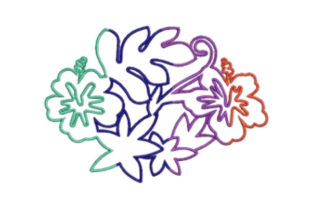
As an embroidery designer who specializes in commercial branding and merchandise production, I approach every new machine embroidery design with a critical eye toward profitability and durability. When evaluating the Rainbow Floral design for small business applications, my primary focus shifts from pure aesthetics to functional versatility. This review analyzes how this specific outline flower motif performs when translated into branded assets for cafes, boutiques, florists, and creative studios. For business owners and apparel decorators, understanding the technical and visual capabilities of this design is essential before committing it to inventory or staff uniforms.
Visual Personality and Brand Alignment
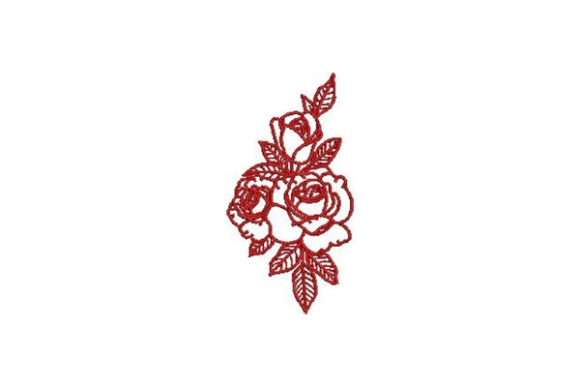
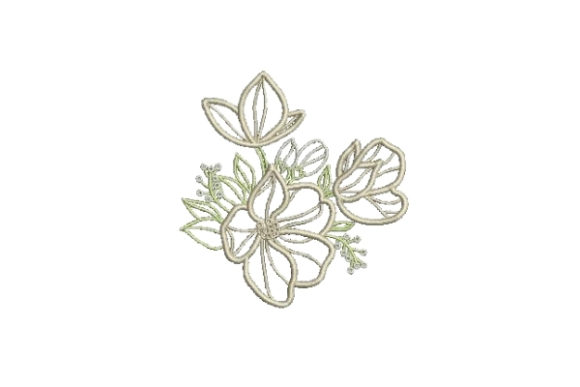
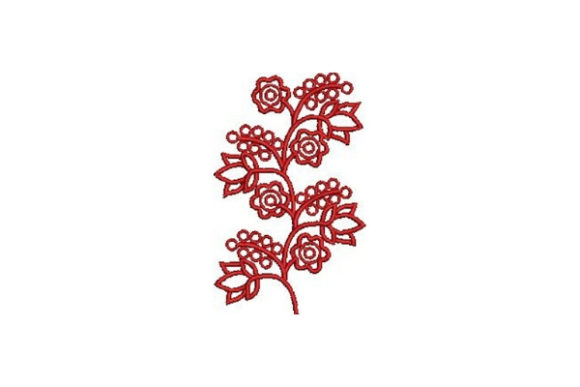
The first impression of Rainbow Floral suggests a balance between professional polish and approachable warmth. In the context of brand identity, outline flowers often signal creativity, organic quality, and attention to detail. Unlike dense fill designs that can feel heavy or industrial, this style communicates a lighter, more artisanal touch. For a handmade product seller or a local bakery, this visual language aligns perfectly with customer expectations of care and craftsmanship.
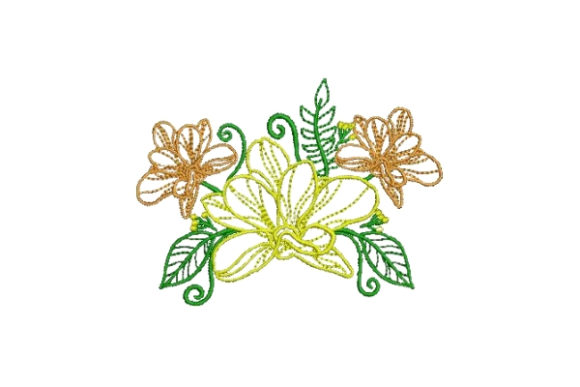
However, the "rainbow" aspect implies multiple thread colors, which introduces both opportunity and complexity. Visually, this allows for high-contrast branding that pops on neutral fabrics like canvas tote bags or denim aprons. It feels modern yet classic, avoiding the dated look of overly complex vintage florals while maintaining enough detail to be recognized as premium custom apparel. For Etsy sellers and craft businesses, this design serves as an excellent anchor for shop branding because it bridges the gap between decorative art and recognizable logo work.
Performance Across Commercial Applications
In real-world commercial embroidery scenarios, versatility is key. A design must perform equally well on a structured cap and a flowing cotton shirt. Based on the outline nature of Rainbow Floral, here is how it translates to specific business merchandise:
- Embroidered Patches: This design is an ideal candidate for patch production. Outline styles typically digitize cleanly onto twill or felt backing without excessive puckering. The distinct color blocks allow for easy trimming and merrowing, making it perfect for retail add-ons or uniform insignia.
- Apron Embroidery: For hospitality and floral businesses, aprons are prime real estate. The open structure of this design prevents the "bulletproof vest" effect where heavy stitching makes the garment stiff. It sits flat against the fabric, maintaining comfort for staff during long shifts.
- Tote Bag Design: Canvas and linen totes have a textured surface that can swallow fine details. Rainbow Floral’s likely bold outlines ensure visibility even on coarse weaves. This makes it highly effective for event merch or eco-friendly packaging accents.
- Cap Embroidery: Curved surfaces present unique challenges. If the design height is manageable, this motif works beautifully on unstructured caps. However, designers must verify the vertical dimension to prevent distortion on the curved front panel.
Technical Considerations and Production Risks
While the aesthetic appeal is clear, technical execution determines whether a digital embroidery file becomes a profitable asset or a production headache. As a reviewer, I advise caution in several specific areas when using Rainbow Floral for business goods.
Fabric Texture and Stabilizer Selection
Outline designs rely entirely on registration. If the fabric shifts during stitching, the multi-colored segments will not align, resulting in a messy finished product. On textured fabrics like terry cloth or pique knits, you must use appropriate stabilizer strategies. A cutaway stabilizer is often necessary for stretchy performance wear to maintain the integrity of the outline over time. Always test on the actual garment material, not just a scrap of different weight, as fabric texture directly impacts stitch clarity.
Stitch Density and Washability
For items requiring frequent washing, such as chef coats or salon capes, stitch density matters. While outline flowers are generally lighter, the intersection points where multiple thread colors meet can create dense nodes. Ensure these areas are not so thick that they cause needle breaks or fabric tearing during laundering. Conversely, if the stitches are too sparse, they may sink into plush fabrics. Finding this balance is crucial for longevity in staff uniforms.
Sizing Limitations
One common pitfall with floral outlines is reducing them too small for collar tags or sleeve cuffs. Detailed petals can merge into a solid line at sizes below 2 inches. Before mass-producing small business merch, determine the minimum viable size where the rainbow separation remains distinct. If the design loses definition at smaller scales, reserve it for chest placements or back yokes rather than tiny labels.
Impact on Customer Perception and Value
Merchandise is rarely just about covering costs; it is a tangible extension of your service. Using a high-quality design like Rainbow Floral elevates perceived value. Customers associate crisp, colorful embroidery with established, trustworthy brands. A poorly executed or generic clip-art flower can cheapen a boutique's image, whereas a thoughtful, well-digitized outline motif reinforces a premium positioning.
Furthermore, consistent use of this design across various touchpoints—from a printable mockup on your website to the actual tag on a purchased item—builds visual recognition. When customers see the same distinctive floral element on your Instagram, your packaging, and your staff’s attire, it creates a cohesive ecosystem. This consistency fosters trust and encourages engagement, turning simple design assets into powerful marketing tools.
Essential Pre-Production Checklist for Designers
Before loading this embroidery file into your machine for a client order or personal brand launch, complete this professional verification process. Skipping these steps is the most common cause of wasted materials and lost time in apron embroidery and apparel decoration.
- Verify Specifications: The product description notes this is a high-quality design ready for sewing projects, but it does not list exact stitch counts, dimensions, or format compatibility. You must check these technical specs in your software to ensure it fits your intended hoop size and machine capabilities.
- Run a Black and White Test: Print a line drawing or view the design in monochrome on screen. This reveals the underlying structure without the distraction of color. If the shape isn't readable in black and white, it won't read well in thread.
- Check Color Contrast: Simulate the design on dark versus light backgrounds. Rainbow colors may need a white underlay or outline adjustment to pop on navy or black uniforms. Verify contrast ratios to ensure accessibility and visibility.
- Create Client Mockups: Never assume a client understands how thread looks compared to pixels. Generate a realistic printable mockup showing the design at actual scale on the specific garment. This manages expectations regarding size and placement.
- Confirm Licensing: Crucially, verify the commercial license terms. Just because a file is purchasable does not automatically grant rights for unlimited resale on merchandise. Ensure your usage complies with the designer’s terms for commercial embroidery.
- Test on Real Substrates: Do not rely solely on digital simulation. Stitch out a sample on the exact fabric you intend to sell. Inspect the registration of the rainbow segments and the tension of the outline stitches.
Rainbow Floral offers significant potential for businesses seeking to add color and charm to their merchandise lineup. Its outline construction makes it adaptable for patches, apparel, and accessories, provided that technical best practices are followed. By treating this design as a strategic business asset rather than mere decoration, small business owners can leverage its visual appeal to build stronger brand recognition and deliver higher-quality products to their customers. Always prioritize testing and verification to ensure that the final embroidered result matches the professional standard your brand deserves.