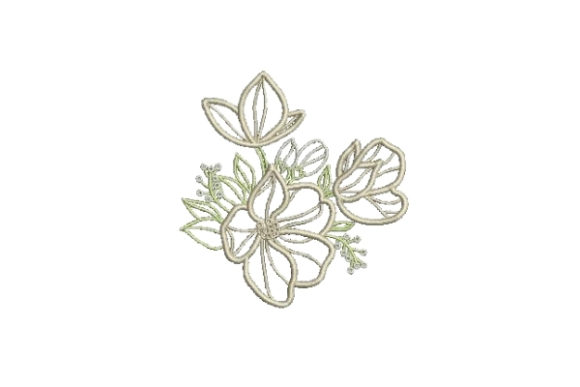
Redwork Flower Design: A Seasonal Staple Review
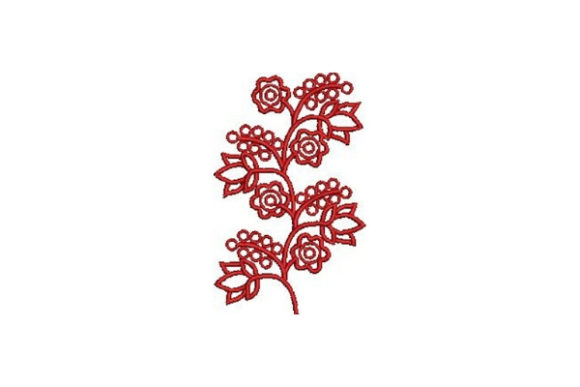
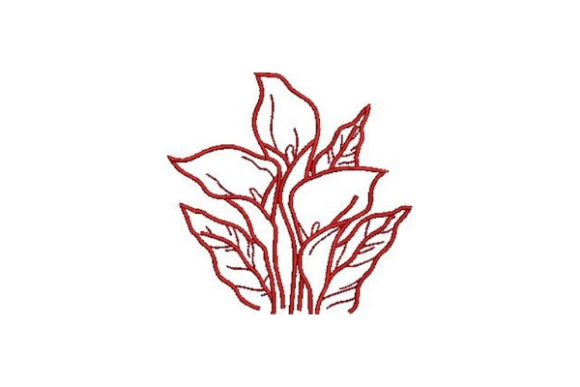
As an embroidery designer planning my upcoming seasonal collection, I am constantly evaluating which digital assets will translate best into finished products that customers actually want to buy. When reviewing the Redwork Flower Design for potential inclusion in holiday and seasonal product lines, my primary focus is versatility and stitch reliability. This lovely floral embroidery design should be on the list for your next project, but as a shop owner or maker, you need to understand exactly how it performs beyond the screen. With a cute and simple design, this will stitch well on any piece of fabric, making it a strong candidate for everything from personalized gifts to high-volume retail items. However, successful commercial embroidery requires more than just a pretty preview; it demands a practical understanding of how outline flowers behave across different textiles and holiday applications.
Evaluating Seasonal Mood and Emotional Tone
The first impression of the Redwork Flower Design is one of nostalgic warmth and approachable elegance. In the context of holiday embroidery, redwork carries a specific emotional weight. It evokes memories of vintage linens, heirloom quilts, and traditional craftsmanship. For an Etsy seller or small shop product creator, this aesthetic is invaluable during the holiday rush. Shoppers are often looking for items that feel authentic and handmade rather than mass-produced. The decorative style here strikes a balance between rustic charm and modern simplicity.
Because this machine embroidery design relies on clean lines rather than dense fills, it feels lightweight and breathable. This makes it particularly suitable for cozy winter apparel like sweatshirt embroidery where heavy designs can cause fabric distortion or discomfort. The emotional tone is festive without being overtly religious or tied to a single holiday, allowing it to span Thanksgiving, Christmas, Hanukkah, and New Year celebrations seamlessly. For those building a seasonal collection, this neutrality increases the shelf life of the product. It reads as premium yet playful, making it appropriate for both adult home decor and children’s items.
Real-World Applications for Holiday Selling
When integrating this embroidery file into a business plan, consider the wide array of substrates that accept redwork beautifully. Outline flowers are exceptionally forgiving on textured surfaces where satin stitches might get lost. I have found this type of design to be a top performer for kitchen towel embroidery. The linear nature of the stitch allows the towel's weave to show through, maintaining the item's absorbency and drape while adding significant visual value.
For apparel decorators, this design is ideal for left-chest placements on holiday sweatshirts and cardigans. Because it is not overly dense, it does not create a "bulletproof" patch effect that stiffens the garment. This comfort factor is a major selling point for family matching items or loungewear intended for long holiday gatherings. Additionally, tote bag design benefits immensely from this style. Canvas and linen totes are popular holiday gift bundles, and the Redwork Flower Design provides a sophisticated focal point that appeals to eco-conscious shoppers looking for reusable, stylish options.
Beyond apparel and linens, consider the potential for embroidered patches. Since redwork defines shapes clearly, this design can be stitched onto felt or twill backing, cut out, and applied to jackets, caps, or backpacks. This expands your inventory without requiring new digitizing. For home decor, pillow covers featuring this motif add a touch of seasonal refinement to sofas and reading nooks. As a personalized gift option, the open space within or around the floral outline offers ample room for monograms or custom dates, increasing the perceived value for buyers seeking unique holiday embroidery.
Technical Considerations and Fabric Limitations
While this design is versatile, professional results depend on respecting technical boundaries. Where should you use this design carefully? First, assess the hoop size relative to the design dimensions. Redwork relies on continuous lines; if you must re-hoop frequently due to a small hoop size, registration marks become critical to avoid disjointed stems or petals. Always confirm the hoop size before purchasing the digital embroidery file to ensure it fits your equipment capabilities.
Fabric texture plays a massive role in the success of outline flowers. On thick towels or plush fleece, the running stitches may sink into the pile. In these cases, using a water-soluble topping stabilizer is non-negotiable to keep the stitches visible and crisp. Conversely, on stretchy garments like knit sweatshirts, you must use a cut-away stabilizer to prevent the fabric from puckering around the linear stitches. Stretchy fabrics move; redwork does not. Proper stabilization bridges this gap.
Be cautious with tiny lettering if you plan to personalize this design. Redwork thread is typically 40-weight cotton or polyester; adding micro-text below a certain size can result in illegible stitching. Test stitch density on scrap fabric first. Dark fabrics also present a challenge. Traditional redwork uses red thread on white fabric. If placing this on dark green or navy holiday apparel, ensure the thread colors provide sufficient contrast. Metallic threads can add holiday sparkle but require specialized needles and slower machine speeds to prevent breakage in these continuous line designs. Finally, for baby items or aprons that need repeated washing, verify that the chosen thread and stabilizer combination is durable and colorfast.
Enhancing Buyer Emotion and Product Value
In the competitive landscape of seasonal sales, visual recognition drives engagement. The Redwork Flower Design contributes to brand consistency because its distinct style creates a cohesive look across disparate products. When a customer sees a matching kitchen towel and ornament in your shop, they recognize the artistic signature. This familiarity builds trust and encourages multi-item purchases.
Giftability is another metric where this design excels. During holiday shopping periods, buyers are stressed and time-poor. A design that looks intricate and thoughtful but produces quickly due to lower stitch counts improves your profit margins and turnaround times. The "cute and simple" description translates to accessible pricing for customers while maintaining healthy margins for sellers. Furthermore, because the design is not hyper-specific to one date (like "Christmas 2024"), unsold inventory retains value into the spring season, reducing dead stock risks.
Social media previews and printable mockups rely on clarity. Outline designs photograph exceptionally well because the high contrast between thread and fabric pops in small thumbnail images. This visual clarity stops the scroll on platforms like Instagram and Pinterest, driving traffic to your listings. When creating product mockups, ensure the lighting highlights the texture of the stitches, reinforcing the handmade quality that digital prints cannot replicate.
Essential Designer Notes for Production Success
Before listing any finished product derived from this embroidery file, adhere to these professional protocols:
- Test Thread Colors: Always run a sample on both light and dark fabric. Red thread on cream fabric looks traditional; red thread on burgundy fabric may disappear. Verify contrast ratios physically, not just digitally.
- Check Stitch Density: Ensure the running stitches are long enough to cover fabric grain but short enough to navigate curves smoothly. Adjust tension if loops appear on the backside.
- Stabilizer Selection: Match the stabilizer to the end-use. Use tear-away for stable woven fabrics like quilting cotton, and cut-away for knits and stretch materials. Never skip stabilizer on redwork.
- Create Realistic Mockups: Avoid flat, digital-only representations. Photograph the actual stitched sample on the intended product. Buyers need to see how the design drapes on a sweatshirt or lays flat on a pillow cover.
- Review Small Details: After test stitching, inspect tie-ins and tie-offs. In redwork, messy jumps stand out. Trim threads meticulously or optimize the digitizing path to minimize post-production cleanup.
- Plan Matching Palettes: Develop a seasonal color chart. Perhaps offer the Redwork Flower Design in classic red for December, but also in forest green or gold for alternative holiday aesthetics.
- Confirm Commercial Licensing: Before selling finished seasonal products, review the license terms included with the digital embroidery file. Ensure you have the right to sell physical items made from the design and check for any limitations on production volume.
By approaching the Redwork Flower Design with both creative appreciation and technical discipline, you transform a simple digital file into a cornerstone of a profitable seasonal collection. Whether you are crafting handmade gifts for loved ones or stocking an Etsy shop for the holiday rush, this design offers the perfect blend of tradition, efficiency, and market appeal. Remember to always verify specific file details such as exact stitch count and format compatibility with your machine before beginning production. Happy stitching and successful selling!